November’s competition was “Open” for projected and print images.
Paul Biederman was our judge.
Advanced Projected
-
1st Place: Maude Svensson ~ The Sparks of Tradition
2nd Place: Beth Koller ~ Ribbon Candy Fun
3rd Place: Beth Koller ~Lunch V3
HM: Kate Woodward ~ Staircase in Madrid
HM: Sherm Edwards ~ Yellow Dahlia Fire and Surf
Beth Koller ~ Ribbon Candy Fun
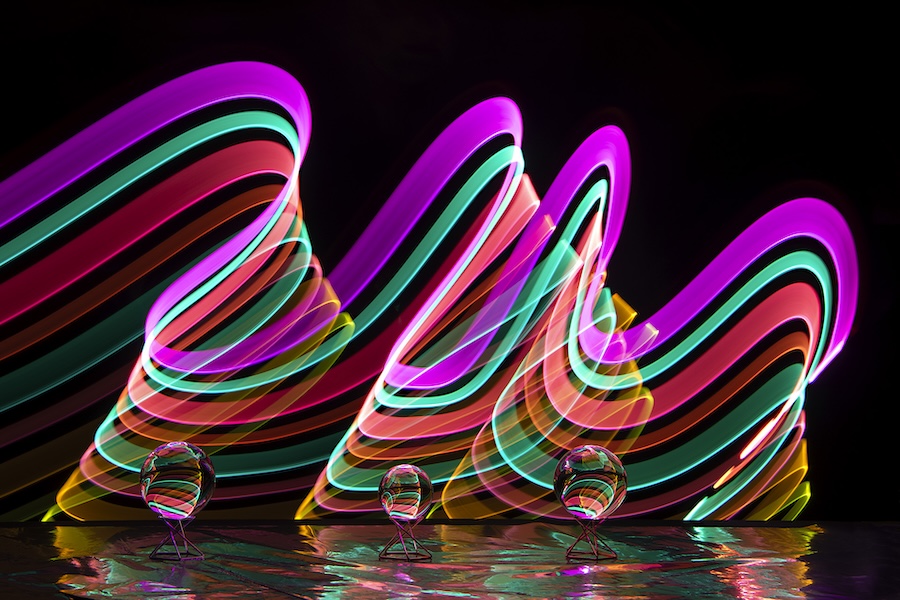
This image was done with light painting and is a perfect opportunity to work with others to make images. One needs to set the focal point and keep the camera in manual (a piece of fluorescent tape is important). Starting with a wide angle lens will help one capture the action as the light bearer(s) move across a six to ten foot line parallel to a black backdrop. Long exposure (fixed 30 second or better yet bulb) will capture the light over time and space. The various light toys will vary in illumination (yellow bright and hot, blue duller and cool) and will require adjustments in exposure time, aperture, andor how quickly the light bearer moves the lights. It is important to have constant communication between the bearer and those triggering the cameras so that adjustments can be made. (Do trigger the cameras belonging to the light bearers!!!) Do expect to make mistakes-many mistakes, but the feedback from digital makes it easier than it was with film.
INTERMEDIATE AND NOVICE PROJECTED (COMBINED)
1st Place: Thomas Allen ~ Bowling Alley Bar
2nd Place: Marc Aurbach ~ Under the Bay Bridge
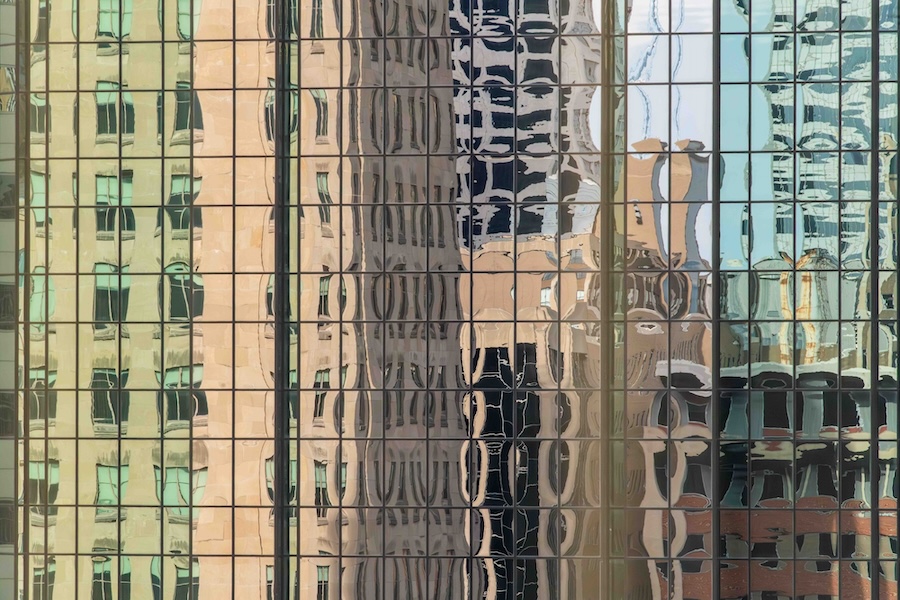
3rd Place: Catherine Honigsberg ~ MN Reflected Skyscrapers
HM: Gerry Woods ~ Laurel Races
HM: Kent Morris ~ Frosty Foggy Morning
NOVICE, INTERMEDIATE AND ADVANCED Print (COMBINED)
1st Place: Sherm Edwards ~ Autumn at Brookside
2nd Place: Will Rabinovich ~ Flow
3rd Place: Beth Koller ~ Emerald Eye Tree Frog
Beth Koller ~ Emerald Eye Tree Frog
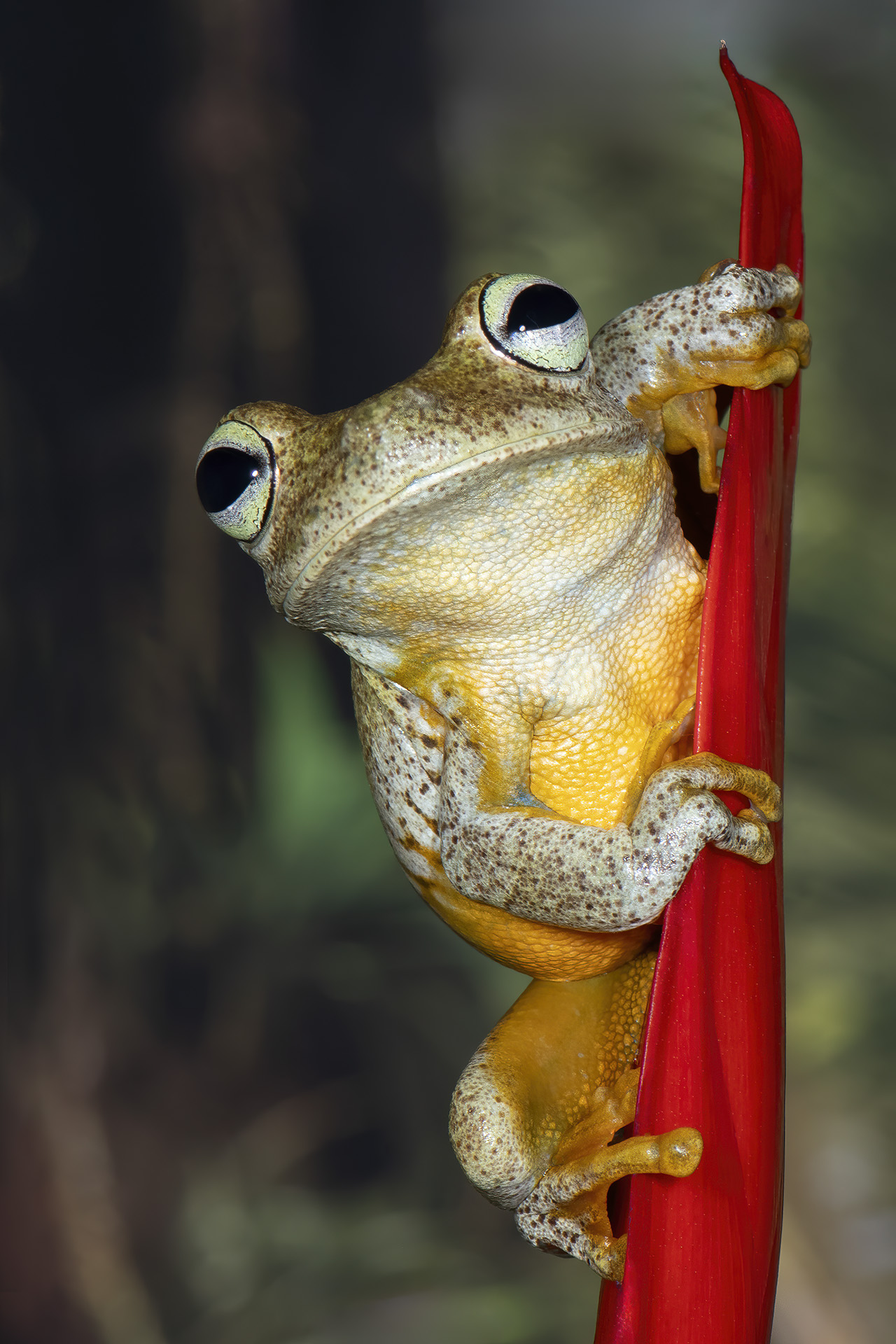
These frogs can move very quickly out of the planned frame because their hind leg length is at least as long as their toro length. A flash can help freeze the action. A standard flash can be used, but a ring flash around the lens provides more direct coverage. Certain ring flashes are composed of separate lights moveable around the track ring and which can be set to different illumination levels. Such systems also allow the ring to be detached and held separately—sometimes done best with another photographer.